Recycling and Sustainability for Landscapers Ruislip
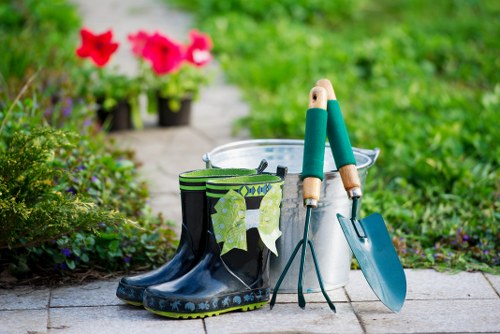 At Landscapers Ruislip, we believe that every project should leave a lighter footprint. From garden clearances to hard landscaping removals, our approach to eco-friendly waste disposal in Ruislip is built around responsible sorting, efficient transport, and recovery of reusable materials wherever possible. Whether the job involves soil, timber, paving, hedge cuttings, or mixed green waste, we prioritise a sustainable rubbish disposal area workflow that reduces landfill reliance and supports local recycling routes. Our aim is to make recycling part of the landscaping process, not an afterthought.
Ruislip and the surrounding boroughs place real emphasis on separating recyclable materials before they reach a disposal point. That local approach helps us streamline how we manage site waste, especially when dealing with mixed loads from domestic gardens and commercial outdoor spaces. We sort waste into clear streams such as green waste, aggregates, metals, untreated wood, and general residual material. This separation makes it easier to divert useful material toward recycling facilities and helps us match the expectations of borough waste systems that encourage responsible recovery and reduced contamination.
Our recycling percentage target is to divert at least 90% of collected landscaping waste from landfill through recycling, reuse, or recovery pathways. This target reflects the practical reality of the work we do: much of what comes from outdoor projects can be processed again in one form or another. Branches can become biomass feedstock, topsoil can be screened and reused, and concrete or paving waste can be sent for aggregate recovery. By setting a clear target, our landscape waste operations stay focused on measurable environmental improvement.
![A backyard garden featuring a lush, well-maintained green lawn bordered by potted flowering plants in shades of purple, pink, and white, arranged along the edge of the grass. There is a large tree with textured bark on the left side, providing partial shade over the area. In the background, dense green foliage and shrubs form a natural boundary, with a white garden planter and some garden tools visible among the plants. A bright green plastic watering can is prominently placed in the center of the image, surrounded by the flowering pots. The scene appears to be captured on a clear, sunny day, with natural light enhancing the vibrant colours of the flowers and greenery. This outdoor space exemplifies typical residential gardening practices, with a focus on plant cultivation and lawn care, aligning with professional landscaping and gardening services offered by [COMPANY_NAME] in Ruislip, within the HA postcode area. The layout suggests a thoughtfully designed garden space aimed at fostering sustainable and eco-friendly outdoor maintenance, consistent with themes of recycling and sustainability reflected on the webpage.](/pub/_photos/gardening/f1385938944.jpg) A key part of our sustainability strategy is working through local transfer stations and approved waste facilities in and around the borough. These facilities help ensure that waste is weighed, sorted, and directed into the correct recycling streams. By using local transfer stations, we reduce travel distances and improve traceability for each load. That means less fuel use, fewer emissions, and better confidence that materials from a landscaping project are treated responsibly. This local processing chain is especially useful for bulky garden materials that need careful handling before onward recycling.
A key part of our sustainability strategy is working through local transfer stations and approved waste facilities in and around the borough. These facilities help ensure that waste is weighed, sorted, and directed into the correct recycling streams. By using local transfer stations, we reduce travel distances and improve traceability for each load. That means less fuel use, fewer emissions, and better confidence that materials from a landscaping project are treated responsibly. This local processing chain is especially useful for bulky garden materials that need careful handling before onward recycling.
We also maintain partnerships with charities and community reuse organisations where suitable materials can be given a second life. Good-quality timber, planters, decorative stone, outdoor furniture, and certain surplus materials may be suitable for donation rather than disposal. These partnerships support a more circular model of waste management and help local groups benefit from items that would otherwise be discarded. In practice, that means our recycling and sustainability for Landscapers Ruislip service is not only about disposal, but also about redistribution and reuse whenever possible.
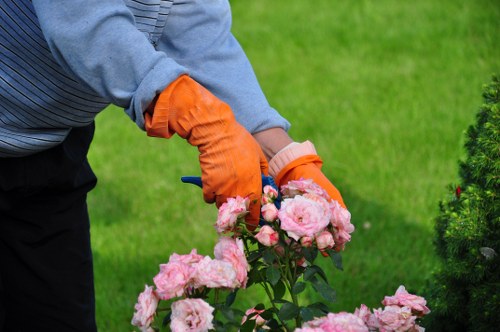 Our commitment to low-impact operations extends to the vehicles we use. We are increasingly relying on low-carbon vans and fuel-efficient transport to collect and move landscaping waste. These vehicles are selected to reduce emissions on short local routes, which is especially important when making repeated journeys between sites, transfer stations, and recycling partners. For Ruislip customers, that means a cleaner service model with less unnecessary mileage and a smaller carbon footprint across the full waste-handling process.
Another important element of our approach is the careful handling of different material types commonly produced by landscaping work. Soil and turf are assessed for reuse or recovery, while leaves, grass cuttings, and hedge trimmings are directed toward green waste recycling. Hard materials such as broken slabs, bricks, and stones are kept separate so they can be crushed and reused where suitable. We also manage metal fixtures, plant supports, and small fencing components through dedicated recycling streams. This type of sorting reflects the boroughs’ wider waste separation mindset and helps each load stay as recyclable as possible.
We also pay attention to packaging and ancillary waste generated during site work. Plastic pots, wrapping, bags of materials, and mixed containers can often be separated for processing rather than sent with general refuse. Where the condition of the material allows, we look for the most sustainable route, whether that means recycling, reuse, or responsible recovery. This is particularly relevant in suburban areas like Ruislip, where garden upgrades often produce a wide variety of waste types in one project. The more accurately each material is separated, the more likely it is to find a productive next use.
Our sustainable rubbish area practices are designed to support both environmental goals and efficient project delivery. By planning waste routes in advance, matching loads to the right facility, and prioritising lower-emission transport, we reduce the overall impact of landscaping work. Landscapers Ruislip sees sustainability as part of the service standard, not a premium extra. We want clients to know that responsible disposal, local recycling, and ecological care can work together without slowing down the job.
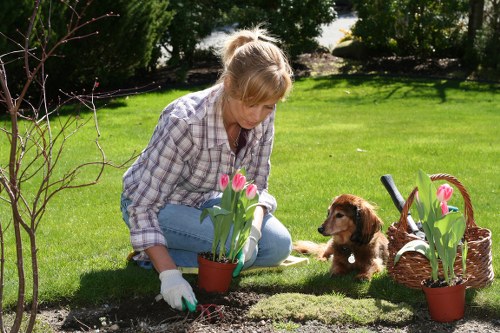 For larger clearances or multi-day landscaping projects, we review the waste profile from the outset so recycling opportunities are built into the schedule. That includes identifying items that may be suitable for charity partnerships, estimating the right vehicle capacity to avoid wasted trips, and choosing the most appropriate transfer station for each material stream. This planning helps us maintain high recycling performance while keeping operations practical and efficient. It also supports our wider aim of making eco-friendly waste disposal in Ruislip a reliable part of everyday landscaping.
We are also mindful of how local residents and businesses increasingly expect greener service standards. As borough waste systems continue to encourage separation at source, we mirror that principle on site by keeping materials distinct from the beginning. In a typical landscaping job, that can mean one pile for green waste, another for clean rubble, and a separate route for reusable items. This straightforward structure improves recycling rates and reduces the chance of recyclable material being lost in mixed waste.
 In the end, our recycling and sustainability work is about making better choices at every stage: sorting carefully, using local transfer stations, supporting charities, and running low-carbon vans wherever possible. For anyone looking for sustainable rubbish disposal in Ruislip or a greener approach to landscape waste, we aim to provide a service that respects the environment as much as the finished garden. By combining practical waste management with a clear recycling target, Landscapers Ruislip helps keep outdoor projects cleaner, greener, and more responsible.

